Showing posts with label alternative therapies. Show all posts

Stem Cell Therapy


From treating diseases like diabetes and liver disfunction to restoring vision in an injured eye, stem cell promises to revolutionise healthcare

Today researchers understand that stem cells have the potential to treat serious degenerative diseases such as diabetes, Park­inson’s, muscular dystrophy and myocardial infarctions that are widely prevalent across the world. Often, people have family members or friends who are facing serious ailments and are left helpless as treatment options are limited. Stem cell therapy is looked upon as a potential alternative to the available treatment options.

Stem cells are unspecialised cells that have two defining properties: the ability to differentiate into other cells and to self-regenerate. Differentiation is defined as the ability to develop into other cell types while self-regeneration is when stem cells divide to produce additional stem cells. Therefore, stem cells can potentially be used to treat diseases like diabetes, liver dysfunction, myocardial infarction, spinal cord injuries, stroke, corneal reconstruction, wounds and even be used for cosmetic applications.

For example, a school bus driver from Delhi lost his vision in one eye while trying to save children on board from a bomb blast. Multiple doctors concluded that there was no hope to recover from this situation since the cornea in his eye had been destroyed. As a last resort he was treated by a stem cell therapist who managed to regenerate his cornea from the driver’s own adult stem cells. Today, 20 per cent vision has been restored to his damaged eye.

While stem cells can be found in multiple organs, the most commonly known sources are bone marrow and umbilical cord blood (which is often discarded during birth). However, dental pulp stem cells have certain key advantages in comparison to stem cells from other sources such as they can be cultured and doubled more efficiently. In addition to this, attaining stem cells from teeth is a noninvasive procedure with minimal recovery time.

With the advent of stem cell therapy in recent times this picture is likely to change as they have the potential to cure these degenerative diseases. Trillions of dollars are being spent globally on stem cell research for past decade and the results have been very encouraging and promising. Already there are success stories published for treatment of diabetes, heart ailments, muscular dystrophy, renal failure, etc. The estimated stem cell market in India by 2015 is $40 million. World market at that time will be $64 billion.

Dental stem cells are being studied as a way to help treat a number of medical diseases and conditions. Adult stem cells from teeth have been used to successfully grow jawbone and treat periodontal disease in people. Other potential diseases which can be treated via adult stem cells include diabetes, spinal cord injury, motor-neuron, stroke, heart attacks, liver disease, cornea repair, Parkinson’s disease, Alzheimer’s.

Dental pulp stem cell banking can be done from the milk teeth of children in the age group of 5-12 years. Teens that are undergoing orthodontic procedures such as getting braces have the opportunity to bank their premolars that are often extracted during this procedure. Adults have the opportunity to bank their dental pulp stem cells via wisdom teeth.

The Dental Stem cell banking process is fairly simple one. The customer simply needs to contact a clinic, pay the fees and choose a clinic to complete the tooth collection procedure. During the procedure the tooth and a blood sample is collected and kept in the dental sampling kit with details of the customer marked on it. The next step is isolation – the dental pulp, containing the stem cells would be isolated by breaking open the tooth and processed as per the set protocols. The processed dental pulp would be tested for sterility and quality control (assessment of the viability of the stem cells). After that comes cryopreservation, a process in which the processed dental pulp, rich in stem cells, is preserved by gradual cooling. The processed dental pulp is frozen by keeping the levy at a temperature of —196 degree celsius in liquid nitrogen.

The processed vital dental pulp is frozen and stored, with appropriate tagging of relevant details, using cryopreservation technology to maintain their viability for retrieval in future. The last step is the receipt of the sample certificate — after the sample is cryopreserved, a certificate of banking will be sent to the client, which must be preserved for future records.

Today banking stem cells is essential and convenient and is like having a weapon in the armory that can protect you and your loved ones. zz

(The writer is the MD & CEO

of Stemade Biotech, a firm that

banks dental stem cells in India)
Share:

Saliva increases protective potential during periodontitis

By Sarah Guy, medwireNews Reporter
Two constituents of saliva that form part of the defense mechanism of the oral cavity increase during periodontitis, and decrease again after treatment for the condition, study findings show.
The researchers observed that output of mucin - the major component of submandibular/sublingual saliva - and amylase - an enzyme produced by the parotid gland to break down high-molecular-weight carbohydrates - increases and decreases in relation to tissue damage in periodontal disease.
"These results might reinforce the hypothesis that salivary glands respond to the disease increasing the protective potential of saliva in relation to periodontal status, and this condition would result in changes in the rate of secretion when the periodontal disease improves," says the team.
Writing in Oral Diseases, Lucila Busch (University of Buenos Aires, Argentina) and colleagues evaluated the relationship between these salivary components and 92 adult patients' periodontal status before and after treatment.
After examination and diagnosis, participants were grouped according to disease severity: clinically healthy, and mild, moderate, and severe periodontitis. Probing pocket depth (PPD) and clinical attachment level (CAL), both measured in millimeters, was assessed at six sites per affected tooth.
All individuals received thorough oral hygiene instructions, and those with any form of the disease received one session of treatment, consisting of scaling and root planing.
The researchers collected saliva samples from all participants and found a significant positive correlation between salivary mucin, amylase, or proteins, and PPD and CAL before treatment.
Multivariate analysis confirmed a positive and significant correlation between mucin, amylase, and protein concentration and CAL, while mucin and protein output were also significantly correlated with PPD.
After periodontal treatment and improvement of clinical parameters, both the concentration and output of mucin, amylase, and protein decreased in the moderate and severe periodontitis group. In particular, mucin and amylase levels dropped significantly after treatment in participants with moderate disease, from 2.60 to 1.98 mg/mL, and 123.6 to 102.6 U/mL, respectively.
"Thus, the increase in mucin and amylase salivary concentration suggests a defence mechanism of the oral cavity and its decrease, after treatment, indicates a relationship between its secretion and the periodontal status," conclude Busch et al.
Licensed from medwireNews with permission from Springer Healthcare Ltd. ©Springer Healthcare Ltd. All rights reserved. Neither of these parties endorse or recommend any commercial products, services, or equipment.

http://www.news-medical.net/news/20121210/Saliva-increases-protective-potential-during-periodontitis.aspx
Share:

More and more techniques to regenerate bone and put dental implants


THE AMOUNT OF THE JAW BONE OF WASTE IF NO teeth BUT NO LONGER AN OBSTACLE FOR DENTAL IMPLANTS, experts


New techniques of bone reconstruction and computer-guided surgery allows almost all patients can benefit from dental implant treatment, "says Nestor Montesdeoca Garcia, director of Oral and Maxillofacial CUN and chairman of the organizing committee of the 13th Congress Oral Surgery and Implantology of the Spanish Society of Oral and Maxillofacial Surgery (SECOM) held in Pamplona.
What worries experts?

Before we were concerned that the implants will integrate into the bone. With reliability of the current reconstruction techniques premium aesthetics, ie that do not distinguish between an implant crown and natural tooth.

What are the major developments in dental implants?

They are related to imaging and the new technologies for rapid prototyping and perform implant surgery and computer guided. In your computer for a three dimensional image of the oral cavity and the patient's face to plan surgery and know exactly where you will place the implants. This information is transmitted via a stereolithographic splint that, placed in the patient's mouth, provides a minimally invasive surgical procedure with the advantage of greater speed, accuracy, safety and patient comfort, incorporated prior to their normal lives.

What progress has been made in the regeneration of bone?

The amount of bone in the jaw is lost as eroding teeth, especially if they are lost at an early age. For an implant to be integrated is required to be surrounded by sufficient amount and quality of bone. Currently there are different techniques to regenerate the lost bone and to reconstruct the denture.

So anyone, but it has lost bone, is a candidate for getting implants?

The contraindication for implant surgery would be medical or psychological than physical, because an increasing number of techniques available for bone regeneration. The bone may be obtained from elsewhere in the body (hip, jaw, etc.). To be integrated with the native and generate a sufficient amount to anchor the implant. Also used local growth factors that get the own bone to grow into the appropriate area and has already started on the clinical use of stem cells to promote the regeneration.
Share:

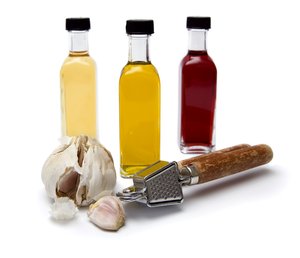
Green Health: gum care with vinegar and garlic


The gum redness, swelling and easy bleeding are symptoms of the earliest stage of gingivitis. If left untreated, this can progress to periodontal disease periodontitis, where the damage to the supporting structures of the teeth are irreversible.

At this stage, pus pockets form at the base of the gums and mouth parts become mobile, leading to their permanent loss. One of the preventive measures that help maintain healthy gum tissue is rinse your mouth with a glass of vinegar and water in the previously left a clove of garlic macerate. These two natural ingredients act as descaling of plaque formed and adheres around the teeth. It is essential to remove daily with good oral hygiene since, otherwise, ends hardening and forming a deposit that results in disease.
Share:

Allopathic and natural world increasingly walk together


Natural medicine, herbs, homeopathy and herbal medicine have been used forever for all mankind. Today are amplified and use more and more allopathic doctors who are also in this world a solution for their patients. But beware, natural does not mean harmless, although there is increasing evidence of its effectiveness, we must be careful with the interaction between different drugs.
For six years is done in our country the International Congress of Complementary Medicine. An opportunity for natural and conventional doctors share information and experiences. This sixth edition will be held on 16 and 17 October at the Great Hall of the Faculty of Medicine, University of Chile.

One of the organizers of this event is the academician of the Institute of Biomedical Sciences, Dr. Ernesto Vega. From your perspective today in Chile there is openness to other drugs that is not conventional. "This has been ratified, even at ministerial level with the promulgation of decrees and government regulations that recognize the existence of complementary medicine and determine how it should be taught and practiced correctly, which was unthinkable a few years ago."

Even more and more physicians receive training in their knowledge about natural medicine and since last year, at least the students of the School of Medicine of the University of Chile have a bunch of Phytotherapy.

"The conviction that our conventional medicine can be enriched with the wisdom and vision of the ancestral, always to the benefit of the patient, makes us move forward in this great annual outreach project," said Vega.

PLANTS are not innocuous


Another academic who participate in this international seminar is the president of the Chilean Society of Phytotherapy and Associate Professor of Pharmacology at the home of Bello, Miguel Morales.

According to him, the massification of homeopathy, herbal medicine and herbal use has made people lose sight that these therapies also have side effects and mixed with allopathic medicines, can have dire consequences for health. "People in general are very poorly informed about drug interactions, whether allopathic or natural," so it is necessary to take precautions, told La Nacion.

Therefore, recommended to account to the attending physician of herbal medicinal products or herbs that are being consumed or consume to think he evaluates the interaction.

For example, in the case of cholesterol-lowering treatment, many patients in addition to other conventional remedies natural, which can increase side effects such as dizziness or stomach problems.

Something similar happens if in addition to antidepressants or anxiolytics prescribed by the psychiatrist, adds other natural medicines such as valerian or passiflora: increases sleepiness. "The judging how useful is the combination of medicines should be the physician," he said.

The St. John's Wort is another common natural treatments that have interaction with allopathic. Mixed with antivirals, antidepressants and even contraceptives, can also have negative consequences.

In the latter case, can lead to lower hormone levels in the blood revoking contraceptive therapy.

TEETH PROPOLIS

The properties of honey, royal jelly and propolis teeth reached. No longer just about products for the treatment of disorders of the throat or skin, mouth and teeth also will witness the benefits of this product. According to scholar and researcher at the Universidad de La Frontera, Pharm.D Luis Salazar, of bee products is "can highlight antioxidant, anti-inflammatory, anticancer, antifungal, antiparasitic, antiviral and antibacterial properties, among others."


In fact, we have evaluated the antibacterial activity of Ulmo honey on microorganisms causing nosocomial infections and digestive diseases.

The honey has shown its efficiency in the treatment of burns and gastric ulcers and sores.

Propolis in gingivitis, periodontitis and tooth decay.

In fact, thanks to the antibacterial properties of propolis are working in a toothpaste that contains in its formulation. "I can not give further details because the formulation is in the process of patenting," Salazar said but added that the new product provides an important scientific support and probably next year is already in the market.


SPA: NOT JUST RELAX, also heal

From Spain and Argentina will participate in the seminar two specialists who have experience in treating skin diseases and rheumatic using thermal waters and mud.

The secretary general of the Latin American Society of Psoriasis, Dr. Javier Ubogui is dermatologist and know the benefits of hydrotherapy in cases of psoriasis.

For this inflammatory skin disease that affects 2 to 3% of the population, the baths were recognized as a complementary tool for health in 1986 by WHO. "The use of water mineralomedicinales and its products (sludge, fumes) provides a complementary option to natural and nontoxic different therapeutic regimens," he said. Is that "different minerals, the pH-acidity and temperature, are individually and in association actions on tissues". It has been tested and functional changes in the mechanism that produces inflammation and even that the antimicrobial action of water and mud also strengthen the effects on the vasculature.

The doctor and medical director of the Medical Service of provincial provincial body of Termas del Neuquén, Argentina, Ana Maria Monastery, which applies in rheumatic ailments.

"The benefit osteoarticular pathologies water therapy, mud therapy, respiratory diseases with inhalation therapy, gargles, especially sulphurous vapors, the dermatological therapies sulfur or chlorinated water and algae treatments of digestive hydroponic" he said.

Is that the hot springs act as painkillers, sedatives and muscle relaxants among others. "As mechanical benefits can be added to improve venous return, increases flexibility, reduces the resistance movement," said Abbey.

There are also no medical contraindications with age.

"In Argentina it has begun conducting numerous research studies, resource studies and their clinical applications concerning the analgesic effects termomineromedicinal treatment in patients with osteoarthritis, treatment or clinical experience in patients with Dx termomineromedicinal Psoriasis" forward .


THE BENEFITS OF A CUP OF TEA

Tea is one of the most consumed beverage in our country. Chileans (and Chilean especially) are taken almost 320 cups a year, in fact more than 10 thousand tons of this herb which is used annually.

According to Dr. Alfonso Valenzuela, biochemical and D.Sc. Institute of Nutrition and Food Technology (INTA), tea is more than good health. "They attribute many benefits, but the main point to the effect of preventing oxidative stress," which is responsible for various diseases.

According to the epidemiological history, tea helps prevent cardiovascular disease as well as some types of cancer, the latter demonstrating in animal experiments in vitro.
Share:

5 "May aid" Periodontitis


Gum disease, also known as periodontal disease, is a condition
in which the gums, deeper supporting tissue and even bone
surrounds the teeth become infected. The first stage is a buildup of plaque on teeth.

Plaque is a sticky white substance is formed when bacteria in the
mixture of the mouth with saliva and food residue and starchy
sugar diet.

If plaque is not properly removed by brushing and flossing, is
and hardens accumulates below the gum line and become
calculus - a hard and white that can be visible if stained yellow
tea, coffee or smoking.

Once tartar builds up, it is much more difficult to remove the plate and
usually require cleaning by a dentist. With
time, can lead to inflammation of the gums or gingivitis, and
bleed with brushing or flossing.

Recent Department of Health studies have found that about 54
percent of adults have this early stage of gum disease,
that is easily reversible by professional cleaning and good care
home.

'This is not only not brushing and flossing "
explains Professor Damien Walmsley, based in Birmingham science adviser
British Dental Association.

"While good oral hygiene is the key to oral health, the rate at which the
tartar plate becomes dependent on the person. Some
of us are genetically predisposed to gum disease,
and we usually see the first symptoms in adolescence.

About one in ten victims will develop more serious problems. If
bleeding with pain is a symptom of the infection and inflammation
has spread to the deeper tissues and bones, called periodontitis. This
can lead to loss of teeth.

Other symptoms include receding gums, chronic bad breath, loss of
teeth or growing space between the gums and teeth. In
all cases, if the bleeding during brushing is noticed, the rules are
thereof.

"See your dentist right away," says Professor Walmsley. "They
be able to provide adequate teeth clean and check that no
nothing wrong.

"After that, the best way to combat gum disease is to avoid
that by brushing with fluoride toothpaste morning and afternoon, and not
immediately after eating acidic foods can soften
teeth. More
two times a day is not necessary. '

There is also a wide range of additional home treatment disease
gums that you can use. Here are five that should help keep your mouth in perfect condition.
1.
G.U.M
PerioBalance oral probiotic


The first of probiotics for oral health, each tablet contains Lactobacillus
Prodentis reuteri, originally discovered in breast milk and saliva. It
These "friendly" bacteria that has been clinically proven to
help restore the natural balance of the mouth after use of antiseptics
oral anti-bacterials in mouthwashes and gels.

www.expresschemist.co.uk.
2.
Boots
Co-enzyme Q10


Coenzyme Q10 (also called ubiquinone) is a vitamin-like substance
playing a vital role in the body's energy supply mechanism,
helping to convert sugars and fats into energy. A
Although it is within the body's natural levels decline with age
and after the disease. Some
studies suggest taking a supplement can help prevent disease
gums.
www.boots.com.

Boots
Co-enzyme Q10

Colgate
Peroxyl Oral Rinse

3.
Colgate
Peroxyl Oral Rinse


This mouthwash containing hydrogen peroxide, which is a natural antiseptic
decomposed into its constituent atoms of oxygen and water upon contact
with the catalase, an enzyme found in the blood. This
is the rapid release of oxygen which has an antibacterial effect, help
reduce infection and relieve pain, swollen gums.

www.chemistdirect.co.uk.

4.
Corsodyl
Spray


A spray containing chlorhexidine, a powerful anti-bacterial properties
inhibition of plaque, which is in a range of medical products, which
include surgical gowns and wipes and hand soaps
prescription and dental treatment of gingivitis. Bush
contacting the bacteria, and have a residual effect which prevents the regrowth
microbial.

www.chemist.net.


5.
Gengigel
Gel


A gel containing hyaluronic acid, a natural substance found in
connective tissues of the body. When
is applied to the gums, which stimulates the production of new healthy tissue. In
trials at the University of Rostock, Germany, scientists found
tissue healing that can increase up to one half,
blood supply, increase and decrease inflammation.

www.boots.com.

Read more:
http://www.dailymail.co.uk/health/article-1241900/Five-best--gum-disease-treatments.html
# Ixzz0cVmYwUbR
Share:

Magical healing properties of aloe


Since the dawn of civilization, this multiple curative plant, was also considered magical by the bad vibes away and even considered him "good luck" in many countries.
Supports the weather and water shortages to the extent that once harvested with their roots can survive a year in the wildest places, on the walls or behind doors and in the shade.


Extract the gel of the leaves
Also called Aloe vera, aloe is a succulent plant native to semi-tropical northern Africa and southern Arabia, which has spread to five continents for its wonderful medicinal properties.
It is one of the oldest and most popular vegetable known to man, so it is mentioned in ancient documents, including the New Testament, when used with other herbs for embalming.

However many people who ignore their medicinal, consider "weeds" and throw the Sahilas to arid and rocky, where many survive.


Beautiful variety of aloe, aloe aristata known as
Aggressive therapies

Aloe ferox
In the mid-70s was "rediscovered" his extraordinary healing properties for the skin and stimulating. In many U.S. hospitals is recommended aggressive therapies, such as chemotherapy and radiation, because it reduces the negative reactions of patients.
Those patients using aloe vera hair regularly pierdenel not, do not feel so bad during therapies and respond faster to treatment.

Its medicinal properties because it contains the most basic elements of life, including vitamins and minerals, proteins, polysaccharides, enzymes and amino acids.

For that reason some people drink aloe juice for physical endurance and stamina, rather than energy drinks.

The majority of aloe vera leaf is filled with a gel, which is about 99% water. The other 1% contains over 75 known nutrients, including 20 minerals, 12 vitamins, 18 amino acids, 200 compounds called phytonutrients in an active plan, enzymes and water.


Aloe arborescens
In internal and external use, aloe vera is indicated in skin diseases and infections rash (measles, mumps, rubella, herpes).
Also in diseases of the gastric and intestinal mucosa (gastritis, hyperacidity, peptic ulcer, gastrointestinal infections and inflammatory bowel diseases such as Crohn's disease, ulcerative colitis and irritable bowel syndrome) and oral mucosa (thrush, gingivitis, periodontitis, and esophageal thrush) .

It is recommended in states of immunosuppression, inflammatory arthritis and autoimmune type, tumor processes, preventing states of immunosuppression and infections, hyperglycemia and hyperlipidemia.

It is effective in the prevention of these conditions induced by ultraviolet radiation and prevention of viral respiratory infections (colds, flu, laryngitis) to induce antibody formation.

It also has anti-inflammatory activity: It inhibits the synthesis of prostaglandins and reduces migration and infiltration of leukocytes, release of histamine and leukotriene synthesis and secretion.


Tonsillitis and oral conditions
The antiinflammatory activity of the gel synergizes with other properties (cicatrizing and immunostimulant) to facilitate wound healing or against arthritic processes.
Possesses anticarcinogenic and antitumor properties, particularly in soft tissue sarcomas. The acemannan is capable of reducing tumor growth or cause regression thereof.

Aloe gel correct interleaving increases collagen fibers on the injured area due to the cell and tissue regeneration promoted by its components and the antimicrobial and anti-inflammatory effect thereof.

Caution


The administration of this plant is contraindicated in cases of developing prostatitis, cystitis and hemorrhoids.

Pregnant women should also refrain from taking it.

Desinflamatorio

As an antiinflammatory agent dissolves dead cells and dull skin. It can also reduce the pain and swelling associated with muscle disorders, sprains, dislocations, tendinitis and bruises.

Salpuidos nuisances, acne or rashes can be mitigated by applying aloe vera gel for treating burns, insect bites and blisters caused by poisonous plants.

It has a property that is not yet fully understood, makes penetrate the skin and fight inflammation. This is probably the reason why many people seem to get really positive results in diseases such as arthritis.

REJUVENATE

The aloe vera or aloe contains a sunscreen that provides componetes needed to rejuvenate the skin at the cellular level, restoring softness and flexibility I had. Do not forget that when used alone can dry skin too, because its astringent.

The amazing effects of Aloe vera on the skin was "re-discovered" in the 70's and became very popular. It is now used worldwide in almost all products for skin and hair care.

The gel is an excellent moisturizer for the skin. Supplying oxygen to the cells of the skin increases the strength and the synthesis of the skin tissue. It rejuvenates the skin, moisturizes, and makes flexible.


The generic name comes from the Arabic term aloe and its synonym alloeh Hebrew halal, meaning bitter and shiny substance.

The origin of the other name by which he is known, aloe and its local variants, "aloe", "Zabila", "zabida", "zábira" and "pita Zabila" is attributed to a deformation of the Arabic word meaning plant Kabyle Espinosa.

The species of the aloes are always woody, but with typical leaves of succulent plants with sword-shaped, hard, thick, very large and fleshy, arranged in rosettes and large stout spines at their ends, armed with other smaller marginal spines, leaves can be colored green veined white, silver or green ash.

The sheets can fully close their stomata or pores to prevent loss of water by evaporation during summer periods and are able to quickly replace the epidermis when a fracture or cut on its surface.

The flowers are showy, tubular, their corollas are composed of six petals, forming floral cover and welded all together in a straight tube more often than not, and in other cases something crooked and bilabiate, sometimes with a slight widening in the clamping portion, which houses the sexual organs of the flower.

They grow about 200 species in the sunny slopes, rocky and stony places in Europe, Asia, Africa, America. It's usually easy to find in the markets of herbs and medicinal plants.

In Latin America is considered a magical plant that has the ability to protect, heal even give luck to the people who care.

It is an antioxidant and fights cancer, particularly colorectal cancer or colon cancer.

It reduces inflammation and stops, both internally and externally.

Energy oxygenates the blood and cells, moisturizes the skin and repairs skin tissue.

Aloe barbansis
Cura inside digestive problems such as irritable bowel syndrome, constipation, acid reflux - clean the intestinal tract.
Reduce the risk of strokes and heart attacks that make the blood "sticky" to "off", and increases the oxidation of the blood, and circulation.

Alkalizing the body, helping to balance the dietary habits of high amounts of acid.

It increases cardiovascular performance and physical endurance.

Share: